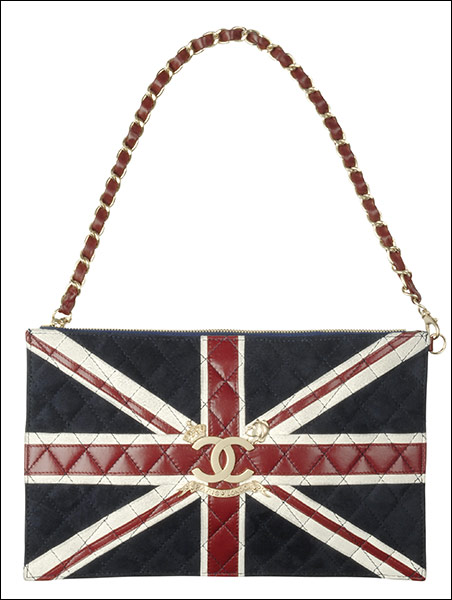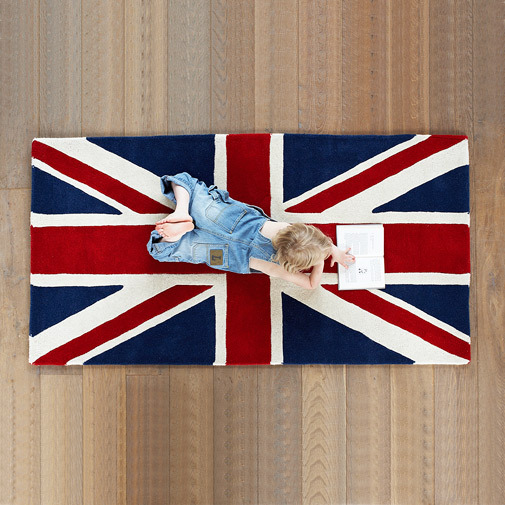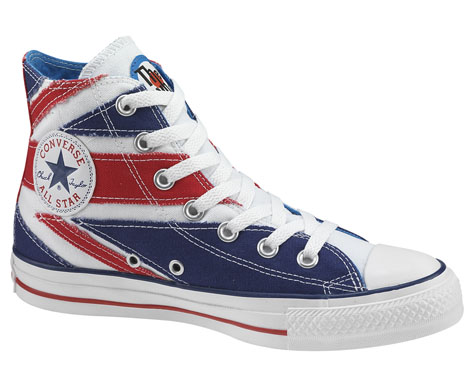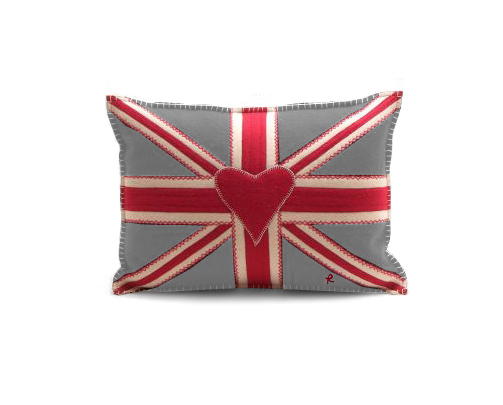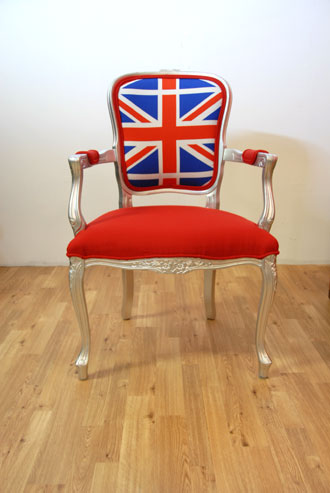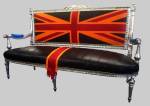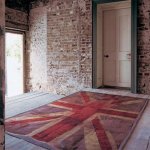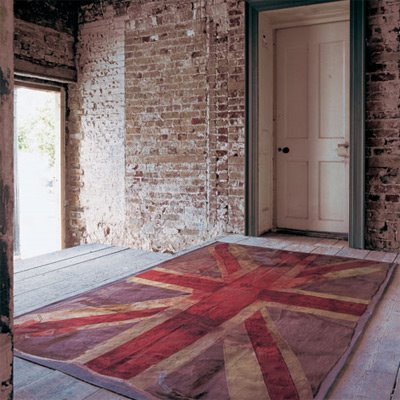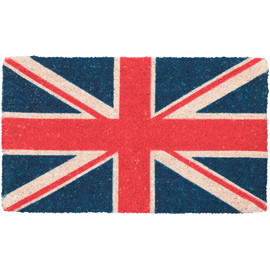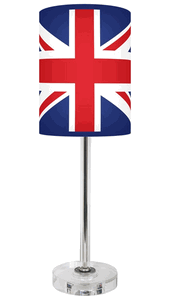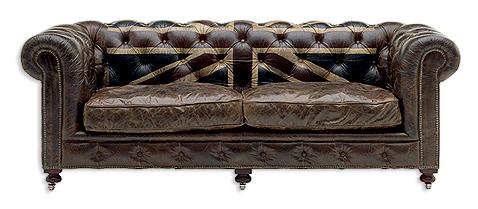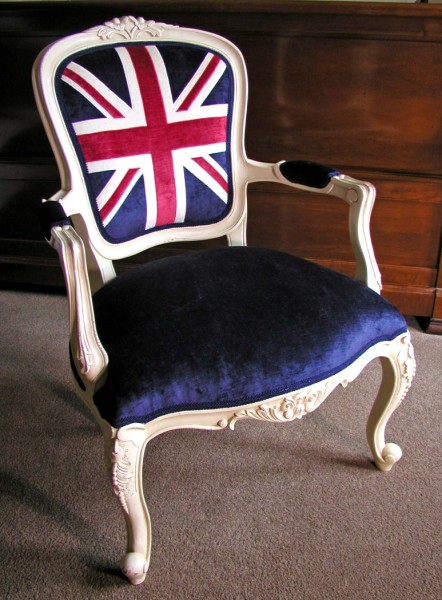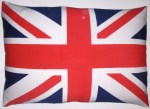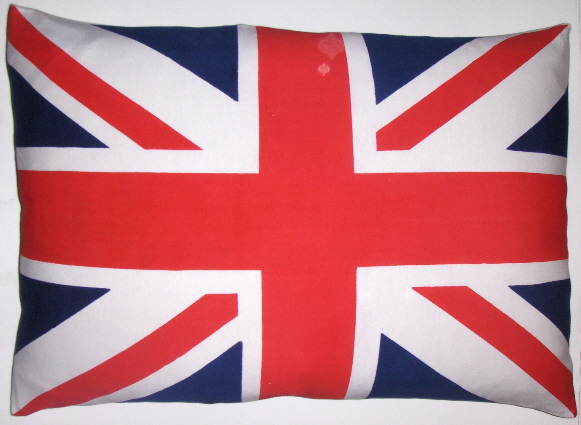
The Union Jack is hopping across the pond.

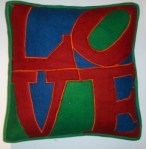
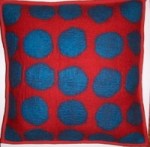
I know that the Union Jack has found a renewed interest in the U.K., appearing on apparel, home furnishings, accessories and even toilet seats. It has been interpreted  conventionally and it has also been interpreted with more artistic license.  Since the 1960’s, when it was used by punk musicians irreverently, the Union jack has always retained an ambiguous and pop art status that the U.S. flag has not.   I’m seeing that The Union Jack is making its way across the pond and people in the U.S. are having fun with it  as a pop art symbol  without all the political implications that have given rise to using it in the U.K. in the late 60’s. Here are some of the inspired end uses of the Union Jack symbol that I have seen. Enjoy!

Rediscover the chic of batik!

Fabricadabra's Ghana West Africa cracle batik pillow

Fabricadabra's Ghana West Africa cracle batik pillow

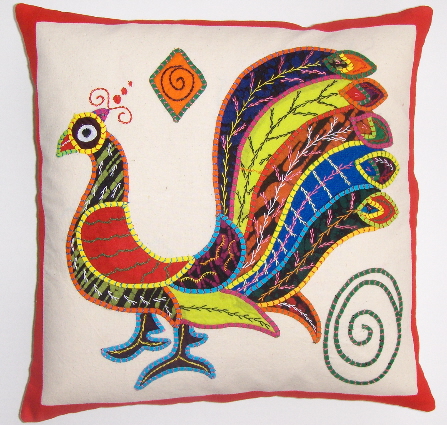
Fabricadabra's hand appliqued batik pillow cover from Sri Lanka

Fabricadabra’s hand appliqued batik pillow cover from Sri Lanka
Royal Hut's batik bath towels
Royal Hut’s batik bath towels
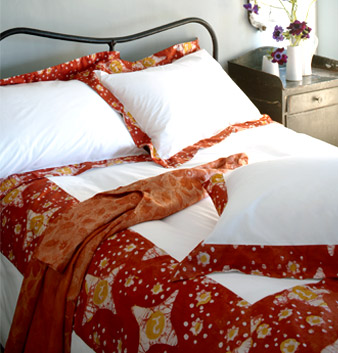
Royal Hut batik bed pillows
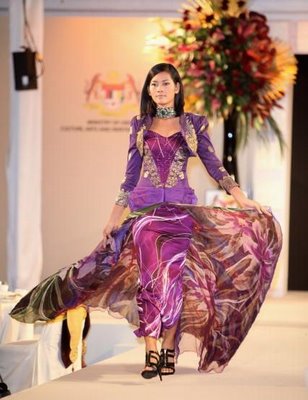
Handpainted silk batik dress at Harrod's promo of Malaysian craft in February
Handpainted silk batik dress at Harrod’s promo of Malaysian craft in February

Batik is another wonderful technique for textile printing that has seen it years of highs and lows since my birth in the 1960’s.  It has been a staple for tropical island apparel , especially with tourists from the Western Hemisphere to the Eastern, as well as to Caribbean Islands.  Some high profile and big box designers work with it. Ralph Lauren and Tommy Bahama are there.  In recent years, Indonesian batiks have become a staple for fiber artist who make quilts. I have no real complaints about this , but many of the mass-produced patterns do not even use the original wax resist technique. There is quite a bit of rotary screenprinted batikesque fabric cranked out of Indonesia and selling for $8/Lyd at big box fabric merchants such as Jo-Ann’s and Hancocks. I truly admire the spirit of the designs and the intention of the quilters. But, I also have a yearning for the real thing that is coming from highly skilled artisans who have learned the craft from their family members and fellow villagers. Batik is the national fabric of malaysia and Unesco has finally approved it as part of Malaysia’s national heritage.

I also admire the great batik designs that come from artisans in Africa, Thailand, China (Oh, yes!) and Central America.  Maybe it is just wishful thinking, but I am feeling all of the barometers of change that need to exist to bring this technique from countries around the world into the spotlight Stateside..  I was so happy  to hear back in January that Harrod’s was celebrating a week  long tribute to Malaysian batik and that they were presenting a fashion show of some of Malaysia’s most influential and progressive apparel designers who use silk batik fabrics.

Batik is showing up more in soft home furnishings lately.  I stumbled upon a wonderful website that used African batiks for bedding and bath products. It is Royal Hut. Check them out! A Bahamian company named Androsia makes and sell batik fabrics by the yard that are very clean one color batiks, all with island motifs, and the color palette is stunning and clean.

You may also want to check out  the edited selection of Ann Dunham’s Indonesian batiks that are touring  the U.S. right now. Ann is President Obama’s mother and she was a collector of Indonesian batik.  It makes my heart happy to see true wax resist batik celebrated for the art form that it is.

Batik has proven to be timeless and updated. Batik is not just for breakfast in Bali anymore!

Royal Hut's African batik bedroom collection

Royal Hut's African batik bedroom collectionRoyal Hut's batik napkinsBahamian company Androsia's batik offerings

Royal Hut's batik napkins

Royal Hut's batik napkins

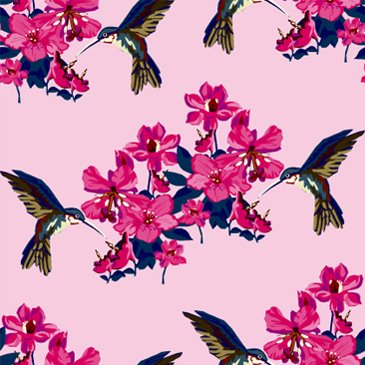
Bahamian company Androsia's Humminghbird batik fabric

Bahamian company Androsia's Humminghbird batik fabricBahamian company Androsia's Hibiscus batik fabric

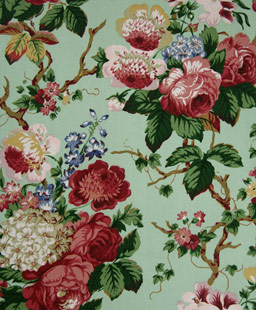
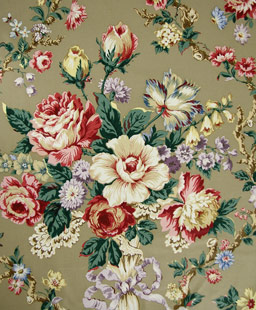
Where have all the flowers gone?

We had the big run of calico printed cottons back in the 1970’s when Cranston Print Works was churning out millions of yards a week for end uses such as apparel, quilting and even home dec.  We couldn’t consume enough of them. Laura Ashley was giving us her hugely popular fabrics and bedding from England. As the 1980’s rolled around, large repeat floral chintzes from England came back into our lives in apparel and home furnishings fabric and wallpaper.

I must confess that when I was turning out traditional floral home dec fabrics , which were always part of our collection at the company for which I worked, I became insensitive to them. We bastardized the colors, finishes and value-engineered them with fewer screens so that we could sell them to middle America in color palettes and at prices that were more acceptable and less daring. In the late 1990’s I was asked to work with a small division of our company, which I didn’t know even existed and about which most executives knew nothing . The company was based  in London and produced home decorating fabrics that were inspired from traditional documents. Most of the patterns were floral chintzes with ditsy coordinates and they were printed on cotton sheeting, linens and union cloths. The division was a stepchild for our U.S. based company because demand was low here in the States for such fabrics at that time. I was thrown in to sort out the division if I could,  but no pressure since it didn’t constitute much of our overall volume.

Initially, I was hardpressed to find a design or colorway thereof that I liked. But, not long after reacquainting myself with the sophisticated designs and colorways, I became completely enamored with the patterns and their beautiful applications in home furnishings. Oddly enough, it was also a period of time when contemporary designs with bright colors were just starting to pick up steam in the residential furnishings market.

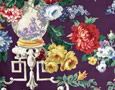
After seeing these, isn’t your heart just aching a bit for the refined but refreshing florals?  I just had to throw in this vintage floral dress!

vintage floral chintz dress

vintage floral chintz dress

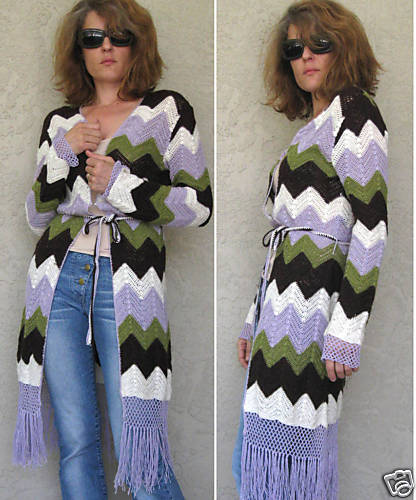
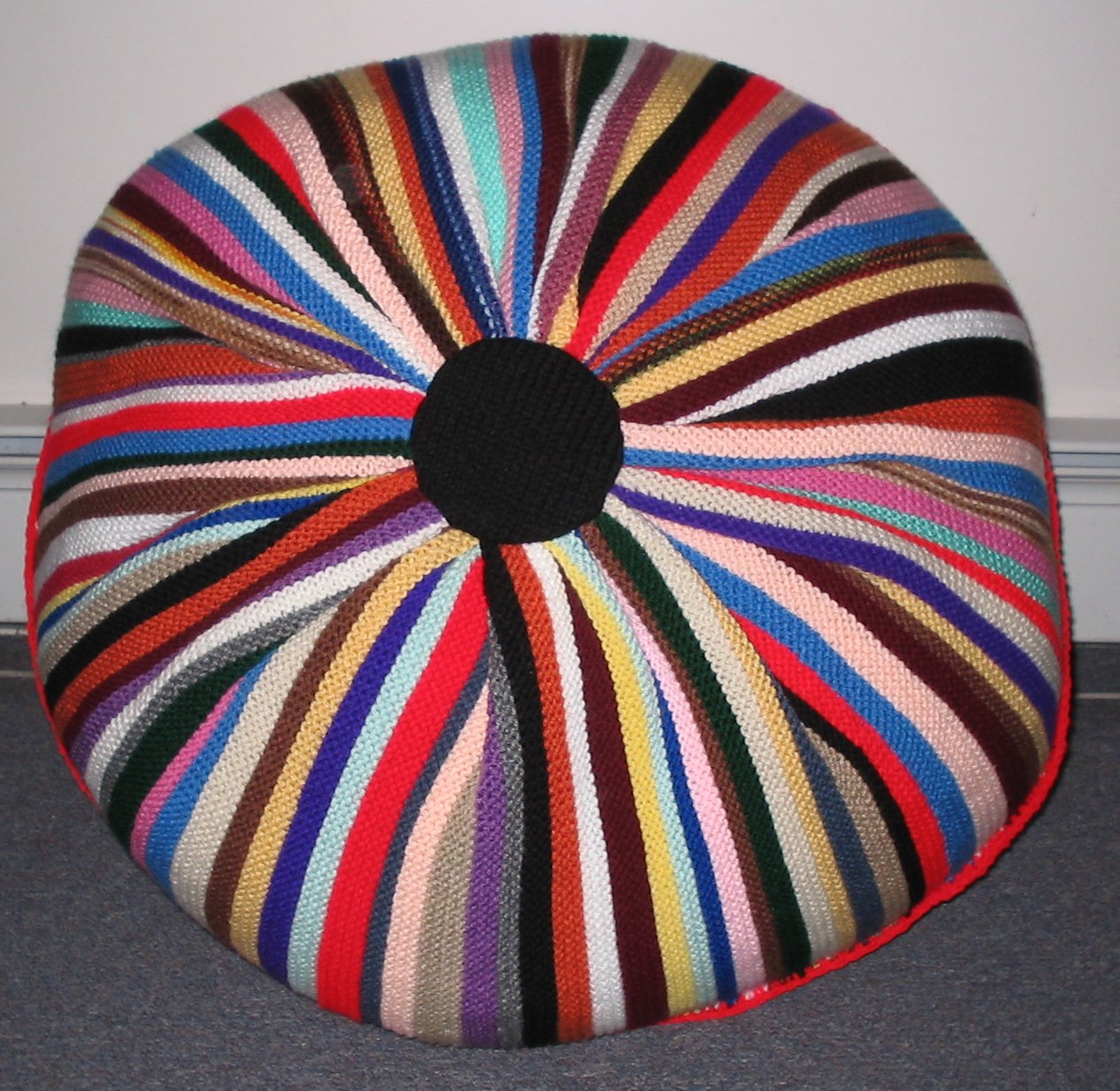
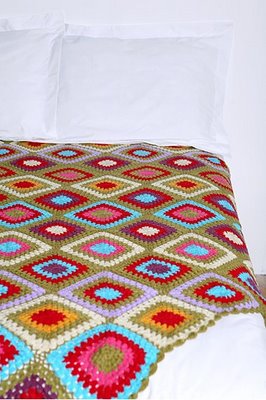
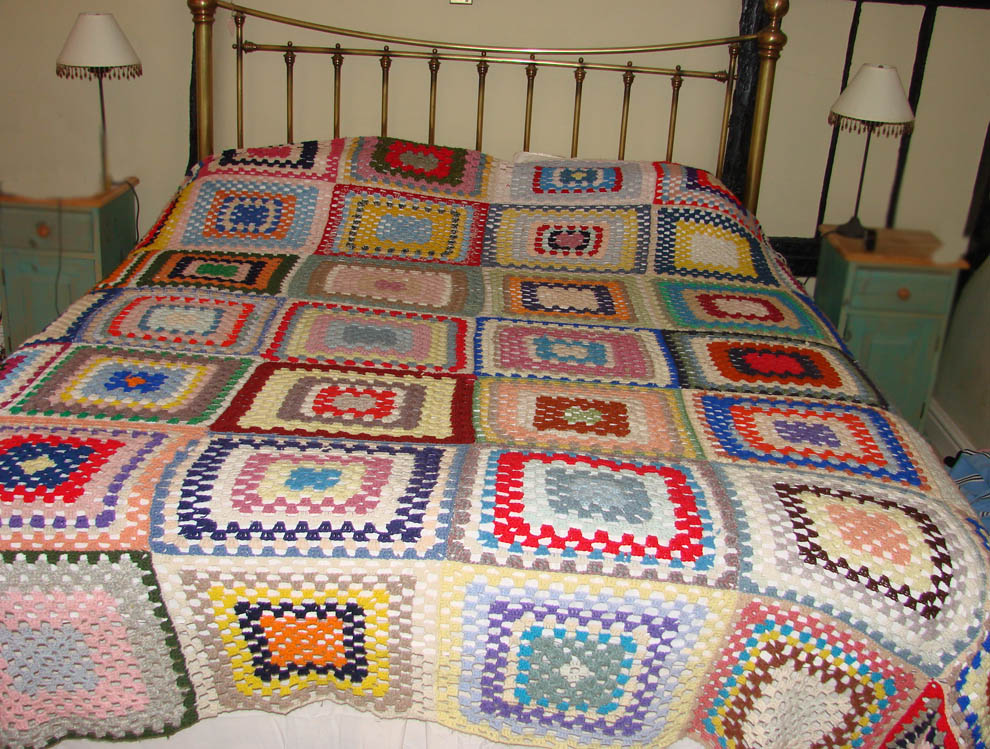
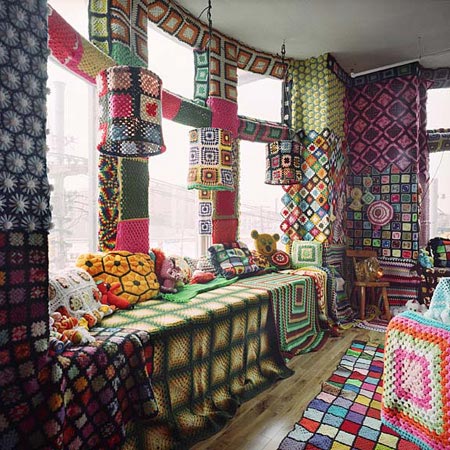
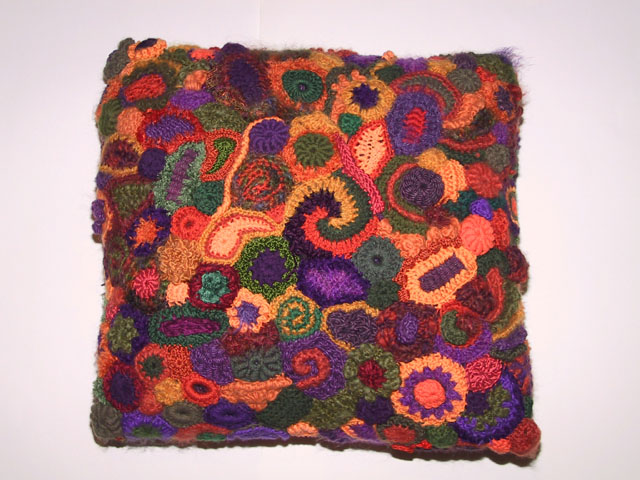
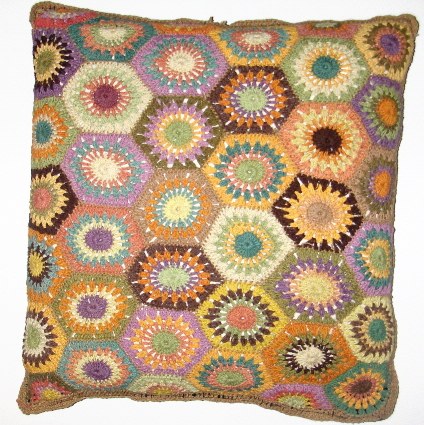
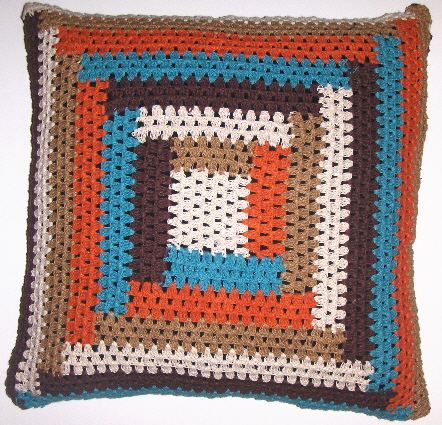
Bling is out. Handmade is in. Crochet anyone?

I keep coming across articles on-line and in newspapers such as the LA. Times that conspicuous consumption is frowned upon in these tough economic times.  People are carefully selecting their consumer goods, no matter how high the price tag, to look… well, not flashy. Apparently, even those who can afford to spend $7000 on a sofa prefer that it look natural, organic, aged or like a broken in hand-me-down.  So, it appears that some of the well-to-do are being more sensitive to those of us who have fallen on tough times. And, let’s face it, the downturn is global and not confined to the U.S.

There is nothing funny about what is going on, but I still roll my eyeballs sometimes. I have always been attracted to home furnishings that take their inspiration from earlier times and that use techniques that have lost their bling. Crochet is one of the techniques that comes to mind. Oh boy, I still remember those great  hip and calf-length crochet vests and cardigans.  I still wear a crocheted cap with the one flower applique on the side of it, like Ali McGraw’s character in LOVE STORY. I really was very young then but they made a big impression upon me. (I think people thought the world was going to Hell in a handbasket back then, too.)

Although we have seen more crochet showing up in apparel, not so much in home furnishings. I think it is just starting to catch on  and, of course, it is embraced more freely by younger people who didn’t live through the days of crocheted toilet paper dolls, doiles and toaster covers. You have to admit, it is fun!

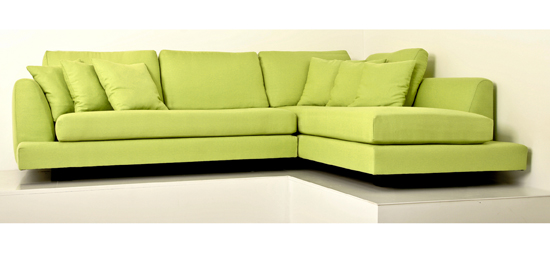
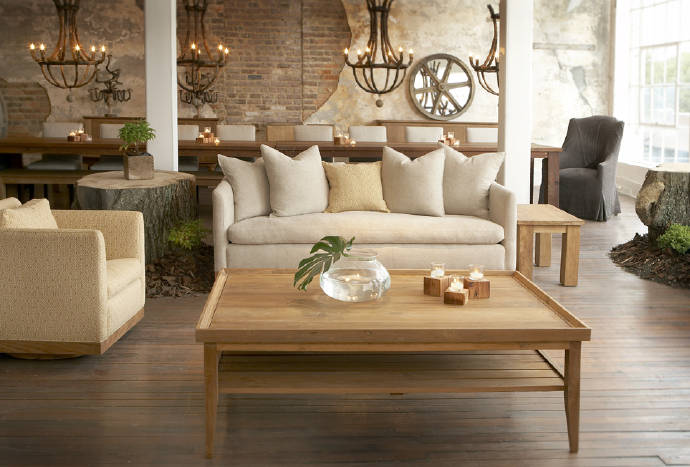
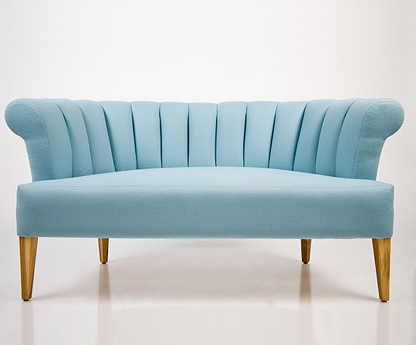
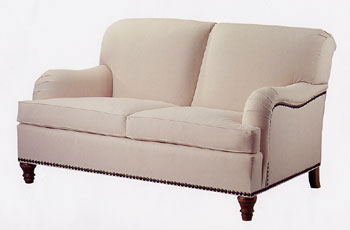
Eco and organic upholstered furniture in varying shades of green

EKLA HOME at Reclaim Home

Time Magazine put forth its Green Design 100 which included categories such as Pioneers, companies, Home and Websites. In reading the list, I saw that it included mostly large and established companies when I know of so many other companies whose products and practices are much “greener”. All of the people and companies mentioned do deserve their props and my goal is not to take anything away from them. I would just like for Time to create a second list with all of the same categories and to give a nod toward some smaller, lesser known companies, products and people that are all this list and more. In addition, many of them have been doing it longer!

I always am asking what the word “green” means nowadays. It seems so ambiguous and subjective as applied to companies, people and products. It isn’t quantifiable or qualifiable. As I mentioned in a previous post about organic home furnishing fabrics, my concern is with healthful, non-toxic products that don’t outgas or create potential risks to people and the environment. I am thrilled that plastic is being recycled and kept out of landfills. But, it is still petroleum-based and off-gasses. (Let’s not even get into the problem with much of the plastic being loaded into shipping containers and sent to China for recyling before it is sent back into the States again.) Since I have a background in textile product development for home furnishings, I decided to address the HOME section of Time’s list, having given kudos the Ethan Allen, Pottery Barn and Crate & Barrel. Yes, these large companies deserve credit for positive changes that they have made with the use of more responsible components of their furniture and still bringing a sofa to market that retails for under $2000.

I would like to share a matrix I created of companies that are producing eco upholstered furniture. I created a set of criteria from which to grade the companies based on their pieces’ components and their practicies as companies. Since I consider the pinnacle to be a completely natural and non-toxic product, my matrix criteria is skewed in favor of the companies that are working in this direction. You will see a positive correlation bteween purity and price. Green might be a bit more expensive than conventional, but organic is much more expensive. The reasons for the higher priced organic sofas are obvious- high material costs, less demand and lower production. I have not addressed the quality issue in this matrix either. To be truly green and sustainable, one might want to consider furniture as an investment, rather than a purchase that has an expected 4-10 year life span.

Okay, I have spent all day trying to figure out how to export and Excel spreadsheet  into this blog without distorting it and I have been unsuccessful. So,  I’ll try to do this in text format. I came up with a list of criteria for grading the greenness or purity of companies with eco upholtered furniture lines and I gave a point for every criterion met. These are the criteria.

Price range

FSC certified wood

No VOC stains

Water-based glues

 Natural latex cushion

Uses wool for FR compliance

Organic or renewable natural fabrics

Sells only non-toxic furniture

Owns its factory

Has product or factory eco certs

Member of  Sustainable Furniture Council

Contributes %-age of profits

Making non-toxic furniture for more than three years

SCORE

Comments


  Price range

SCORE

Comments

 
Pottery Barn $

1

soy-based foam cushion, recycled poly foam arms, recycled steel springs  
Crate & Barrel $

2

corn and soy based cushions/ wood from responsibly mananged forests. Made by Lee.  
Norwalk Furniture $

2

Preserve soy-based foam.)Only 10% soy. Recycled wire  
Mitchell Gold & Bob Williams $$$

2

domesticaly sourced wood, soy based foam, regenerated fibers  
Room & Board $

3

Can’t figue out what is eco about their pieces other than FSC-certified wood.  
Palacek $$

4

imports all. Thru trade  
CR Laine $

4

down2earth collection only. Soy-based foam. Sold only at Circle Furniture.  
Harden Furniture $$

5

Preserve soy-based foam.)Only 10% soy.  
Ikea $

5

poor carbon footprint, uses wood from responsibly managed forests. Eliminates many toxins.  
Rowe Furniture $

5

 Eco-Rowe Collection only. Soy-based foam.Recycled polys. PBDE-free.  
Lee Industries $$

6

20% soy-based Preserve foam. Recycled poly. Sofas start at $1800+  
Bean Products $$$$

6

Chicago. Small collection.Sofa $5200. Doesn’t use wool for FR??  
Viesso $$

6

LA. No organic cotton and no wool. Sofa=$2900  
Maria Yee $$

7

imported from China.Bamboo frames  
RC Green/Vivavi $$$$

7

LA. Sofa $5600. Sold only in Vivavi  
Q Collection $$$$$

7

NYC. Sells through showrooms. Won best of Green for juvenile collection.  
Pure by Ami McKay $$$$

7

no wool. Flame retardants? Sofa=$5200  


Furnature $$$$

8

Pioneer. Sofa $5200  
Zola $$$

9

Oregon. Sofa $4800  
Environmental Language $$$$$

9

Chicago  
Cisco Bros. $$$$

9

LA. Sells through showrooms. 82″ sofa $5000  
EKLA Home $$$

9

Sofa $3800. Will make custom pieces,too.  
Greener Lifestyles $$$$

9

Seattle based. 75″ sofa $4500  
A Natural Home  


no prices and cannot find retailers  
Further comments: Many of these companies are using soy-based foams, ranging from 5%-20%, but the balance is still petroleum and have chemical flame retardants. They did not earn                          points under “Non-toxic foam cushions”.  
 
I did not give points to companies using natural fiber fabrics unless the fabrics contained no pesticides and low impact dyes.  
Although some companies use certified eco ingredients, none posted certs on website and I gave no credit for component certification, only for certification of final product or factory.  
Carbon footprint is important, but not included because origin of components and finished products are not divulged on  most websites.  

PRICE: $=<$2000, $$=$2000-$3499, $$$=3500-$4999, $$$$=$5000-$6999, $$$$$=$7000+  for 84″ sofa


I just want to mention that this info is based on what I was able to obtain from the maker’s website or a retailer’s website. I was surprised to see with three companies using natural latex cushions no mention of wool as the flame retardant that allows the pieces to meet the federal requirements for residential upholstered furniture.  I don’t really know if they are just not meeting it or using chemical flame retardants to do so.

As you can see, there is  a positive correlation between level of purity and higher price ranges. If you are satisfied with soy-based foam that still has petroleum and chemical flame retardants added, then Lee Industries is an overall good value. They do use FSC-certified hardwoods and make  nice quality pieces at their price points.  If you want purity and investment quality then you are going to have to trade up to the companies that scored higher. Most of these companies also offer many more options and cusotmization since the pieces are made-to-order.

Please understand that I am not Consumer Reports . I am just an individual who cares about the purity of the  ingredients in the furniture and am hopefully sharing some helpful information about other “green” companies out there  about which Time might not know due to their sizes.

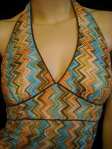
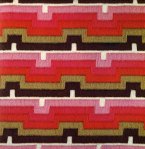
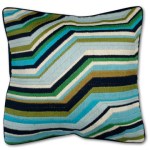
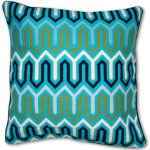
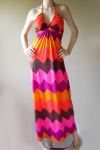
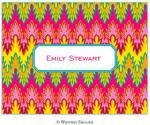
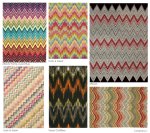
Flame stitch, zig zag, ribbon and medallion bargellos all round the town

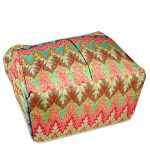
Everywhere I look, I see a zig zag or flame stitch that is interpreted from bargello embroidery. I see it in apparel, stationery, home furnishings, accessories and even covers of iphones. It is like the Summer of Love again. The colors are bright and the designs are sharp. Sure, Missoni has been using fun stylized interpretations of it for years, but is seems to now be transcending age and taste schisms, emerging as a more widely accepted trend.

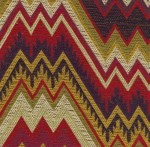
We had the electric sock-it-to-ya bargello vests and flame stitch maxi-skirts of the 60’s and early 70’s that were popular among young adults and then they morphed into rather boring and refined monochromatic upholstery wovens before collapsing and retreating into hibernation for a several years.

According to Wikipedia, bargello is a type of needlepoint embroidery consisting of upright flat stitches laid in a mathematical pattern to create motifs. The name originates from a series of chairs found in the Bargello palace in Florence, which have a “flame stitch” pattern. Traditionally, Bargello was stitched in wool on canvas. Embroidery done this way is remarkably durable. It is well suited for use on pillows, upholstery and even carpets, but not for clothing. In most traditional pieces, all stitches are vertical with stitches going over two or more threads.

Traditional designs are very colourful, and use many hues of one colour, which produces intricate shading effects. The patterns are naturally geometric, but can also resemble very stylised flowers or fruits. Bargello is considered particularly challenging, as it requires very precise counting of squares for the mathematical pattern connected with the various motifs to accurately execute designs.

Just as with ikats, suzanis and some of our “a la mode” textile favorites, bargellos weaves are reinterpreted as prints or less difficult woven designs, but the sentiment and intent remain. I have to give a huge nod and smile toward Jonathan Adler on this trend. He recently introduced the happiest line of real deal bargello dec pillows and home accessories. That boy puts a playful spin on everything he creates. let’s take a look as the flame stitches, waves, zig zags and bargelloesque items out there.

Let me know your thoughts and please share anything special you have come across that fits the bill.

Finally, some variety in less toxic home dec fabrics!

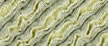
Indika Organics' Otago Terra Verde

Indika Organics' Otago Terra Verde

Indika Organics' Otago Rossetto

Indika Organics' Otago Rossetto

Over the past few years textile weavers, jobbers, artists and novices have brought much more variety and color into the stangant and traditionally bland organic and eco home furnishing fabrics market. Of course, along with the increased options, there comes a need to really understand what, as a consumer, you are getting and what you really want. Some consumers are concerned with reducing waste, recycling and minimizing the carbon footprint of the finished product. Some consumers are most concerned with using fabrics that are from natural fibers, processed according to G.O.T.S. standards, thus being free of pesticides, herbicides and potentially toxic dyes.

Just about every home textile weaver and jobber has put out a line of recycled polyester upholstery fabrics over the past couple years. Designtex, Maharem, Kravet, Valley Forge, Robert Allen Design and Duralee are just a few of the many. Recycled polyester has its merits for the first group of consumers, as well as in hospitality applications due to flame retardancy standards and the durability required for that market. But, recycled polyester is still a petroleum-based fiber and the disperse dyes that are used may or may not be environmentally friendly. The average person would have to be a chemist to start exploring this aspect of the fabric- unless a third party certifier were to sanction the fabric as meeting its requirements. Although recycled polyester will off-gas, it still scores L.E.E.D. points for being recycled.
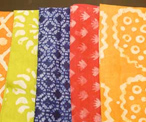
I am the second type of cunsumer, one who is looking for fabrics that are natural and non-toxic. My experience is that most people prefer natural fibers over man-made and synthetic fibers for use in their homes. (Sure microfibers and pleather are indestructable, but they are so much so that they end up either in a landfill or having to be recycled to be considered “green”.) So, I want to share all of the great natural and less toxic home decorating fabrics that I have encountered over the past few years and applaud the pioneers for their efforts. Please, let me know your discoveries, too.

Indika came out with a beautuful organic cotton line that used low-impact dyes years ago. It used novelty yarns and weaves that made it stand out from the hemp plain weve and undyed pack. The prices were and are high today. There just has never been a high enough demand to produce in volume. Also, the has not ungone any real changes over the years.

Mod Gren Pod came upon the scene about four years ago with a printed organic cotton line that uses a heavy and strong enough sheeting to consider the pieces suitable for upholstery. It was the first line with bold color, trendy designs and large repeats. About a year earleir than this Harmony Arts introduced a printed organic cotton sateen line that I feel is better for top of the bed and linens , rather than upholstery end use. The repeats are small and can dwarf a large piece of furniture and a sateen basecloth can snag easily. The biggest concern I have all printed designs for upholstery end use is that prints are not as stable as wovens in terms on their potential to fade, crock and frost. So, if you do use a print on an upholstered piece, make it a piece that doesn’t get everyday use and isn’t directly exposed to sunlight and gas fumes.

Some of the best non-toxic fabric home decorating are fabrics woven by traditional artisans in co-ops and villages throughtout the world that still utilize natural fibers, natural dyes and low tech processing or curing methods. Many of the great ikats, batiks, mudcloths, suzanis, felts and kilims fit the bill. They wouldn’t know to prmote their fabrics an eco-friendly and non-toxic because this is the only way they have ever produced fabrics. One comment that I would like to make is to make sure you are purchasing these fabrics from a source that pays these people fairly and does not emply children in the process. These skilled artisans shold be paid well for these works of art that we treasure here in the States.

I have mentioned just a few of the many lines in the market for eco home dec fabrics. O EcoTextiles, Ruby Green, Envirotex, Dicey Fabrics, Craftex and many more have great offerings. Small boutique lines are being created every day, now that it is feasible to digitally print fabrics with no minimums and without the cost of carrying inventory and engraving screens. Share any that you have come across with me!

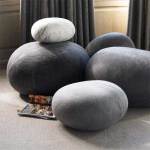
Felted wool can be a party waiting to happen!

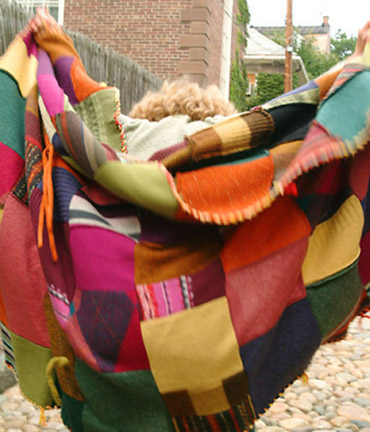
I’ve long been an admirer of wool and feel it is one of the most underutilized fibers. Wool has a number of great qualities. It is a dustmite deterrent, a great temperature regulator, wicks off moisture, dries quickly, is natural and it has longevity. Felted wool has experienced a recent resurgence in popularity with fiber artists in the home furnishings arena. Here are a few of my favorite applications. Please share with me any great applications that you have come across.

SweetFeltGoods felted wool blanket.

Patchwork with a punch

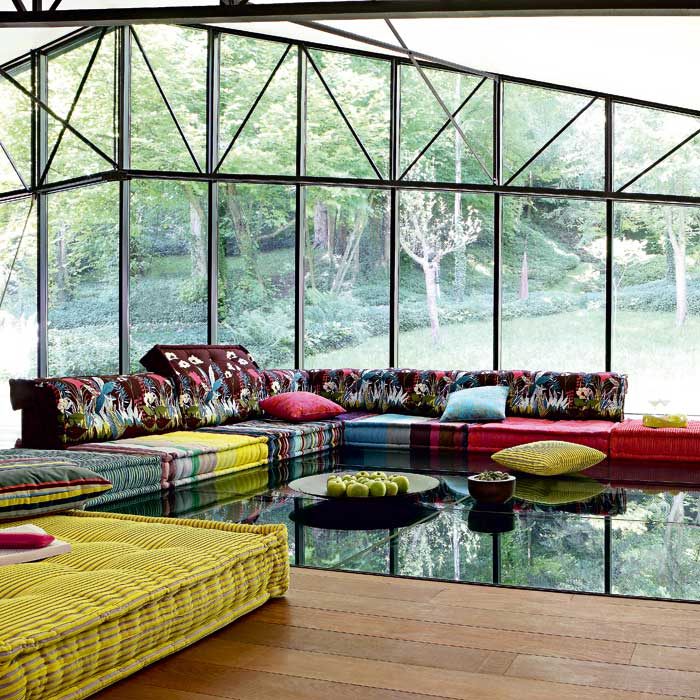
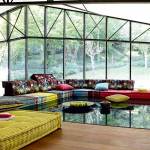
roche-bobois-sectional-kenzo-fabrics1

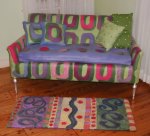
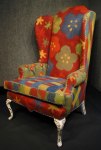
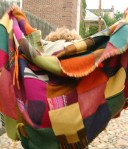
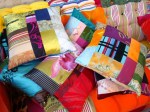
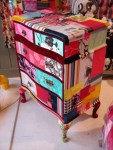
I dig patchwork.  There are the timeless madras plaids that we’ve been seeing and wearing for years and then there are the beautifully handcrafted and sewn patchwork quilts. Now we are seeing patchworked fabric on decorative pillow forms and upholstered furniture.  These are a few of the works of art that I have come across and I would love for anybody to share their finds with me .
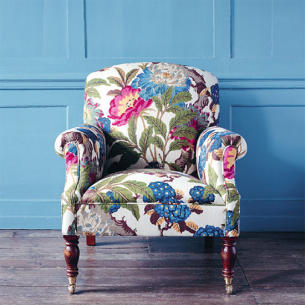
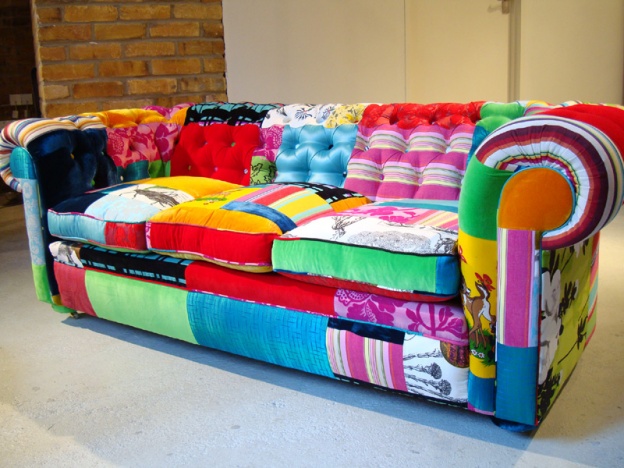
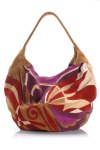
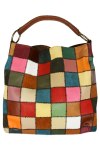
Lucky Brand has been showing patchwork handbags for four year nows.  (I know because I bought a couple.) They began as reminiscent versions of the 1970’s-1980’s patchwork leather coats. But,they have pumped up the volume since and have moved towards much more vibrant colors.Just take a look at Etsy to see all of the fun patchwork quilts and pillows that are offered.  Many artists have moved away from the traditional motifs and colors and are offering not-to-be-ignored pieces. Fashion is funny when we look at how trends resurface. Patchwork has never gone away, but these bright options with energetic fabric colors and textures seem to be an example of the trickle up theory in that it started on the streets with independent consumers and artists and is  being adopted by the high end home fashion gurus and haute couture.  Think of the work that goes into making these pieces!  I just hope that everyone is properly comensated for their labor!
Squint's Patchwork Chesterfield Sofa

Squint’s Patchwork Chesterfield Sofa

From Squint:

Hello world!

Okay, here we go. I’m not so sure that I even have time for this. I’m 45 years old and it is all moving a bit too fast for me absorb through osmosis. As I sit here now, I have no idea how to blog. It was free through WordPress, so why not try?

‘Not so sure that what I have to share will be relevant or interesting to anyone either. But, since thou shalt not slander thy neighbor’s blog, I’m going to press on.

I see this as something that will evolve organically and one day I’ll have a vision and a stride. Not quite yet though. Since I’ve spent my entire career in product development of textiles, Quantum Physics may be a comfortable place to start. Okay, nothing to say on that topic. Let’s start out with textiles. I think I’ll keep it to home decorating textiles since I have experience there and most people would prefer to read about cool fabrics than read about thermo-insulated textiles developed for NASA (except those Quantum Physics folks).

When I come back, I’m coming back armed with home decorating fabrics. If anybody wants to share with me any great textiles or products made from textiles, whether mass-produced or custom made, bring it on!!!!

My one haunting thought is, if a blogger blogs on the internet and nobody is there to read it, does the blogger really blog?

← Back

Thank you for your response. ✨